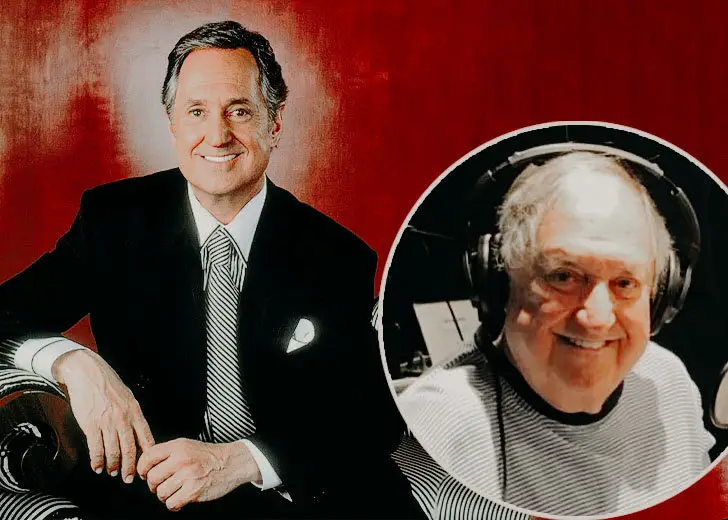
Why did queries about Sedaka's sexual orientation recur so frequently over the decades? The answer lies in the intersection of mid-century performance aesthetics and public misinterpretation. Pop audiences throughout the 1960s and 1970s often mapped gender expression and vocal presentation onto private identity.
First was his voice. Sedaka sang in a remarkably pure, supple tenor that easily crossed into a bell-like falsetto. In the late 1950s, masculine archetypes on the charts leaned toward either deep rockabilly growls or silky crooning. Sedaka's soaring vocal register and sunny, enthusiastic stage persona struck casual listeners as unconventional. When tastes hardened around gritty rock outfits in the late 1960s, Sedaka's polished stage demeanor left him vulnerable to retro pop stereotyping.
Second was his professional resurgence in the 1970s. After American radio temporarily abandoned him during the British Invasion, British superstar Elton John signed Sedaka to his nascent Rocket Record Company in 1974. Elton, who championed Sedaka's new material and sang backup on the chart-topping smash "Bad Blood," was an openly bisexual, and later gay, superstar known for high-glam excess. Sedaka adapted to the era with velvet suits, silk scarves, and shimmering piano performances, leading casual observers to draw mistaken conclusions about his personal life.
The most persistent source of confusion, however, was his lyricist, Howard Greenfield. The duo met as teenagers in their Brooklyn apartment building and wrote hundreds of songs together. Greenfield was a gay man who lived with his longtime partner, Tory Damon, until Greenfield's death from AIDS-related complications in 1986. While Sedaka was a devoted friend and supporter of Greenfield throughout his life, the public often blurred the lines between the two partners, attributing the private reality of the lyricist to the public-facing singer.

