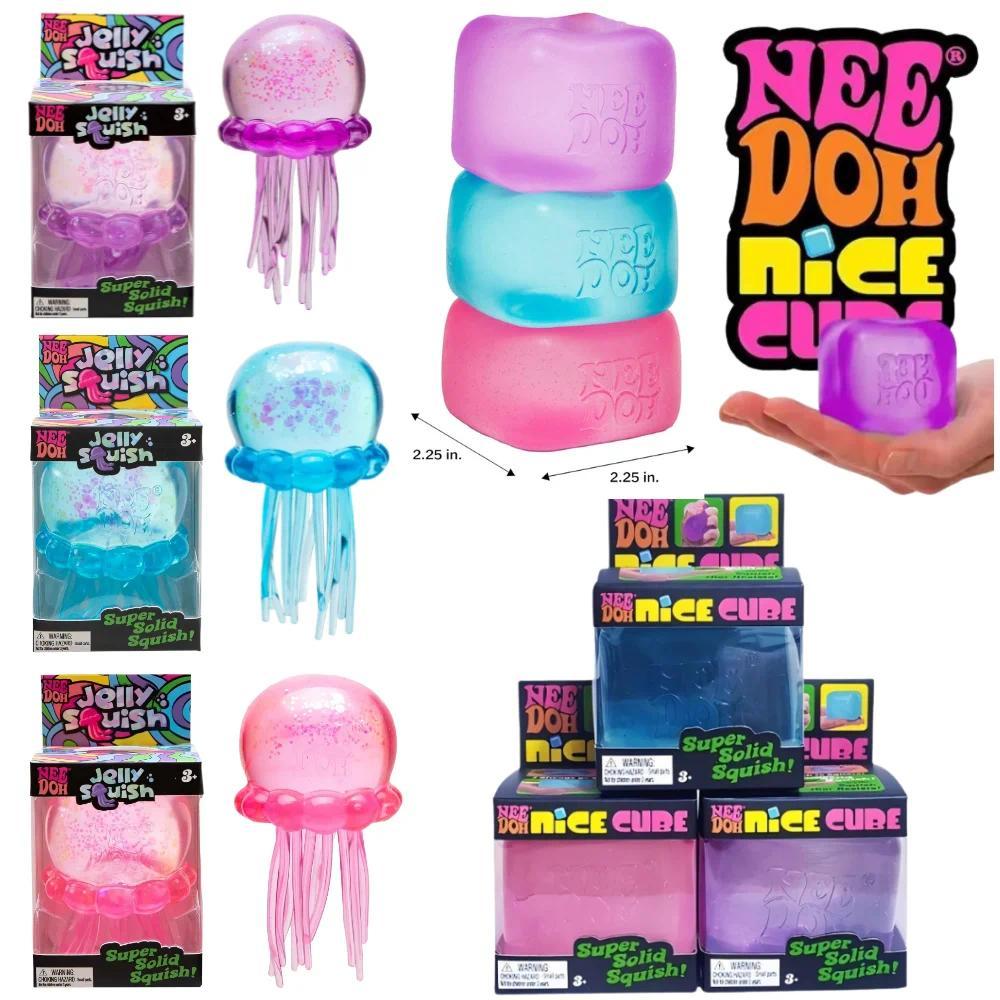
The scramble for the NeeDoh Jellyfish shows how rapidly modern viral cycles can overwhelm supply chains for everyday consumer goods. What functions mechanically as an accessible tactile stress reliever has transformed into a high-demand collectible, driven by social media algorithms, speculative reselling, and genuine enthusiast interest.
For everyday shoppers, patience remains the most cost-effective approach. Paying exorbitant secondary markups rewards scalping behavior and exposes buyers to safety risks from counterfeit designs. Checking verified local toy stores, subscribing to official restock notifications, and waiting for standard production batches to arrive at physical storefronts remains the safest way to bring home the season's most sought-after squish.

