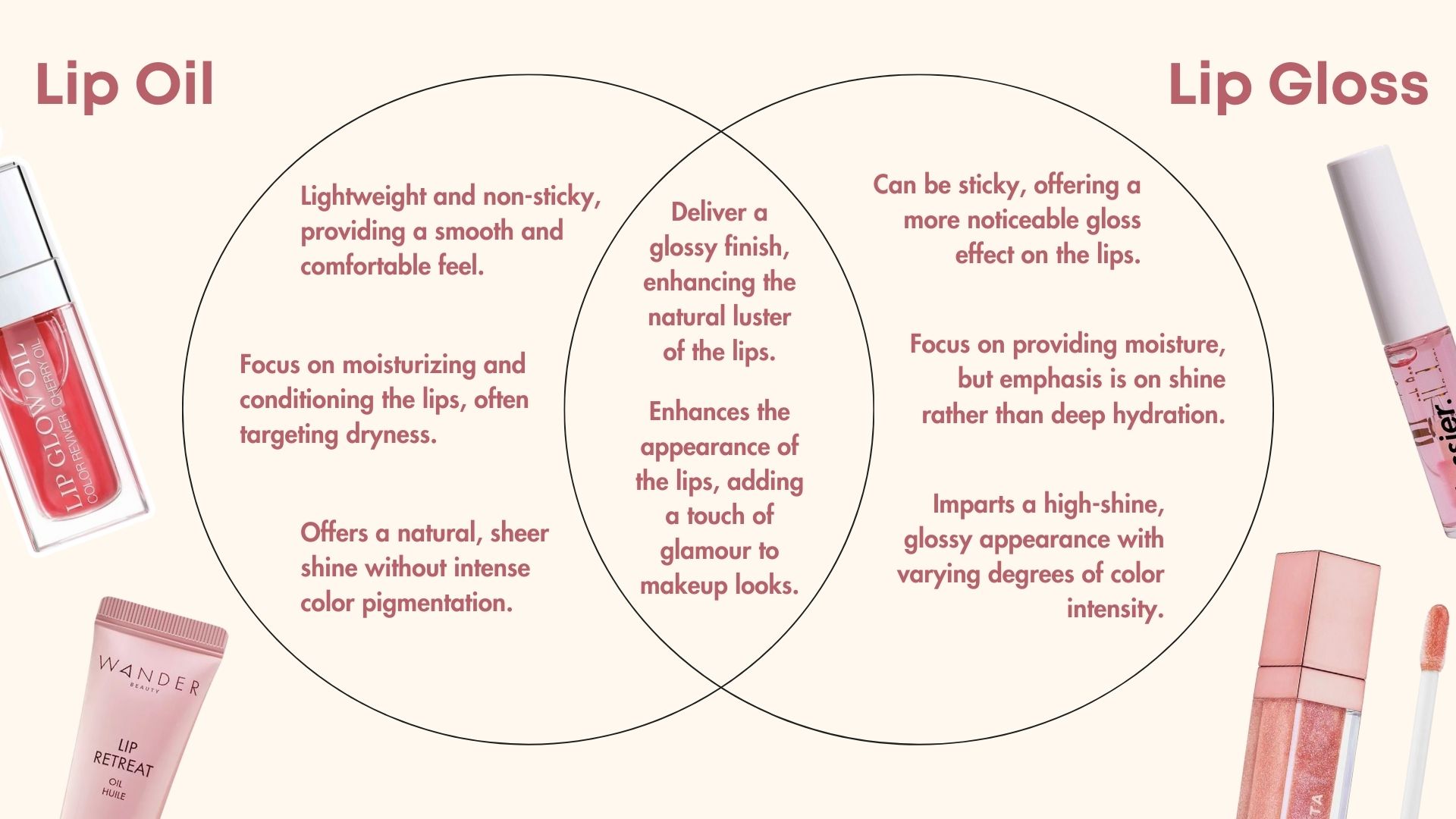
The ascent of lip oil mirrors a broader movement across the personal care sector: the systemic skinification of makeup. In the early 2000s, commercial glosses prioritized optical reflectivity above all else. Brands relied heavily on polyisobutene and synthetic waxes to build thick, occlusive shields that caught studio lighting. Comfort was an afterthought.
By early 2026, consumer tolerance for adhesive, unyielding makeup dropped significantly. Reporting from Vogue revealed that seasonal runway directions pivoted decisively toward natural textures, prioritizing what backstage makeup artists describe as the juicy lip trend, a finish characterized by pliant cushion, natural flush, and blurred edges rather than rigid vinyl coatings.
Beauty consumers no longer treat lip care and decorative color as distinct categories. They demand hydrating lip care packed with nourishing plant oils like jojoba, rosehip, and camellia seed, which treat the delicate vermilion border rather than sitting passively on top of it. Lip oils stepped into this void, promising sheer color payoff coupled with genuine biological comfort.

