Pouring milk into a nesting cup designed for dry flour invites spills and skewed measurements. Dry measuring cups are meant to be filled to the absolute brim and leveled with a straight edge like the spine of a chef's knife. Liquid measuring tools feature clear plastic or tempered glass walls, a designated pour spout, and extra headspace above the upper graduation line so liquids can be transported without sloshing over the side.
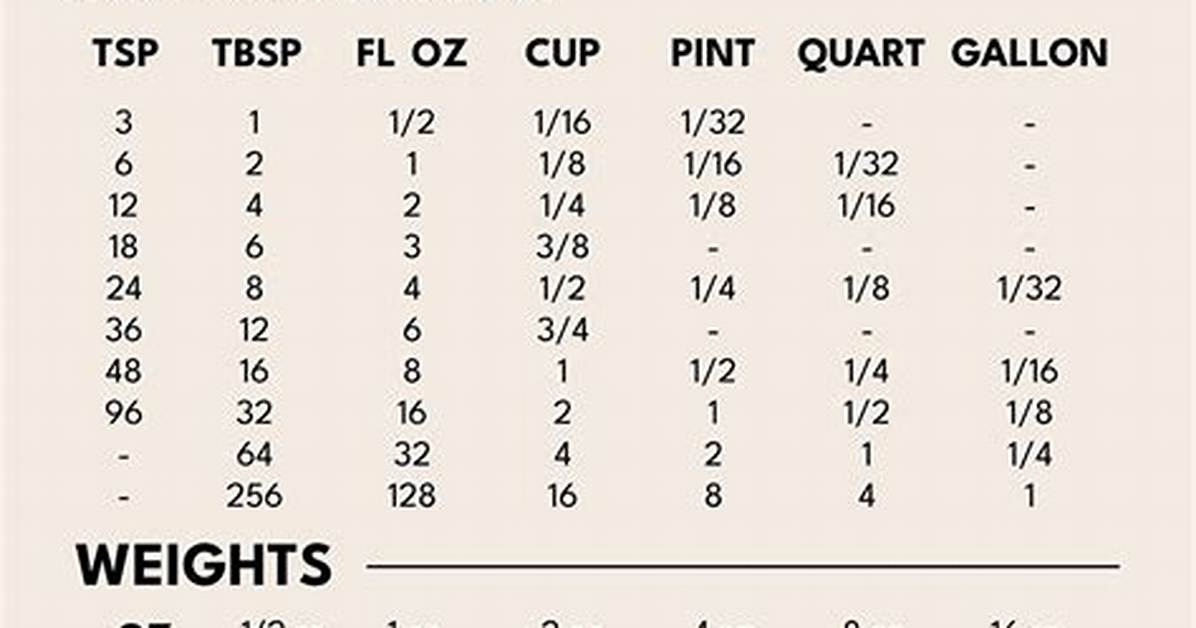
Reading liquid measuring cup markings accurately requires proper physical alignment. Place the pitcher on a flat countertop. Do not hold it in mid-air, as an uneven hand creates an optical tilt. Crouch down until your eye sits parallel with the 3/4-cup or 6-ounce line. Liquid clings slightly to the sides of glassware, forming a curved surface known as the meniscus. Align the bottom of this curve with the graduation line rather than the outer edges.
If you must use a liquid cup as an emergency dry measuring cup substitute, compensate for settling. You cannot scrape the excess off the top of a deep liquid pitcher. Gently spoon your dry dry goods inside until they settle at the three-quarter line without tapping or compressing the container.

