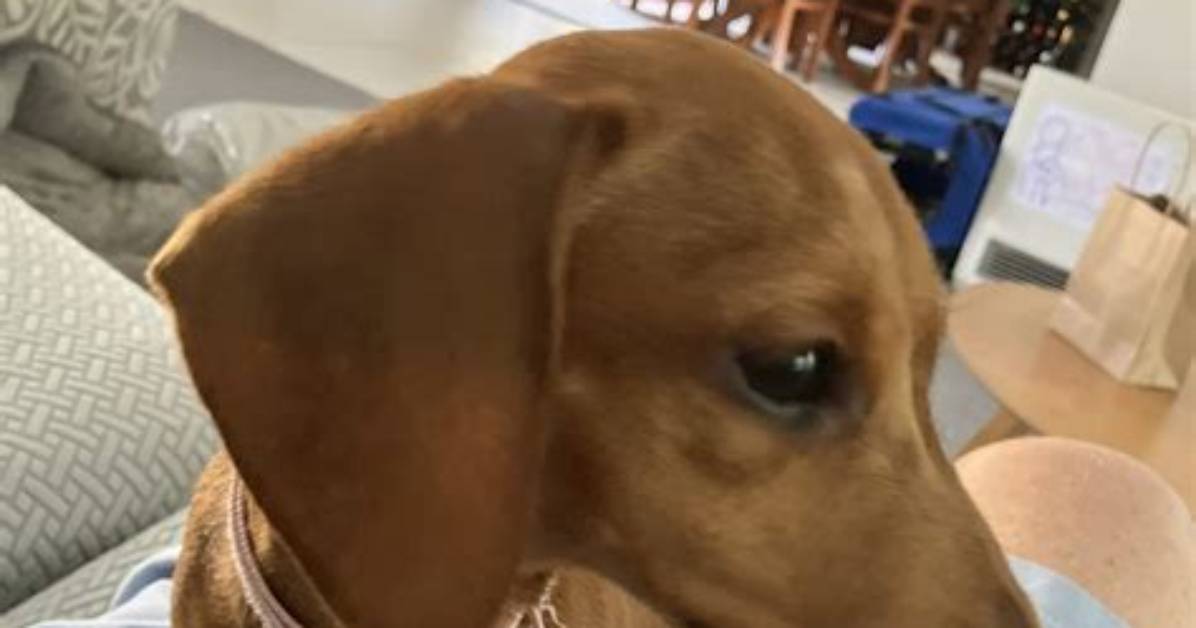
When prospective buyers reconsider the miniature dachshund, two breeds dominate the conversation: the Pembroke Welsh Corgi and the Basset Hound. While they share the shortened-leg anatomy, their day-to-day management diverges sharply.
In a direct Pembroke Welsh Corgi comparison, the most striking difference is occupational purpose. Corgis are herders, not subterranean scent trackers. A Corgi processes household movement through working livestock instincts. They will circle running toddlers, nip at loose heels, and patrol living rooms with vigilant vocal checks. They possess heavier, denser bone structures that mitigate some catastrophic IVDD risks, but they require roughly double the daily exercise of a miniature dachshund. If you cannot provide 60 minutes of active running, agility training, or fetch daily, a Corgi will invent jobs that often involve shredding baseboards.
The Basset Hound personality lands on the opposite end of the spectrum. As an old French tracking breed, the Basset shares the dachshund's scent hound lineage. However, their home pace is slow and steady. While a miniature dachshund bounds from sofa to hallway alerting to delivery couriers, an adult Basset Hound will typically keep napping. The trade-off is physical scale. Bassets pack 50 to 65 pounds of dense bone and loose skin onto short legs. They cannot be picked up casually, shed continuously, drool around water bowls, and produce deep baying sounds that carry across entire apartment buildings.

