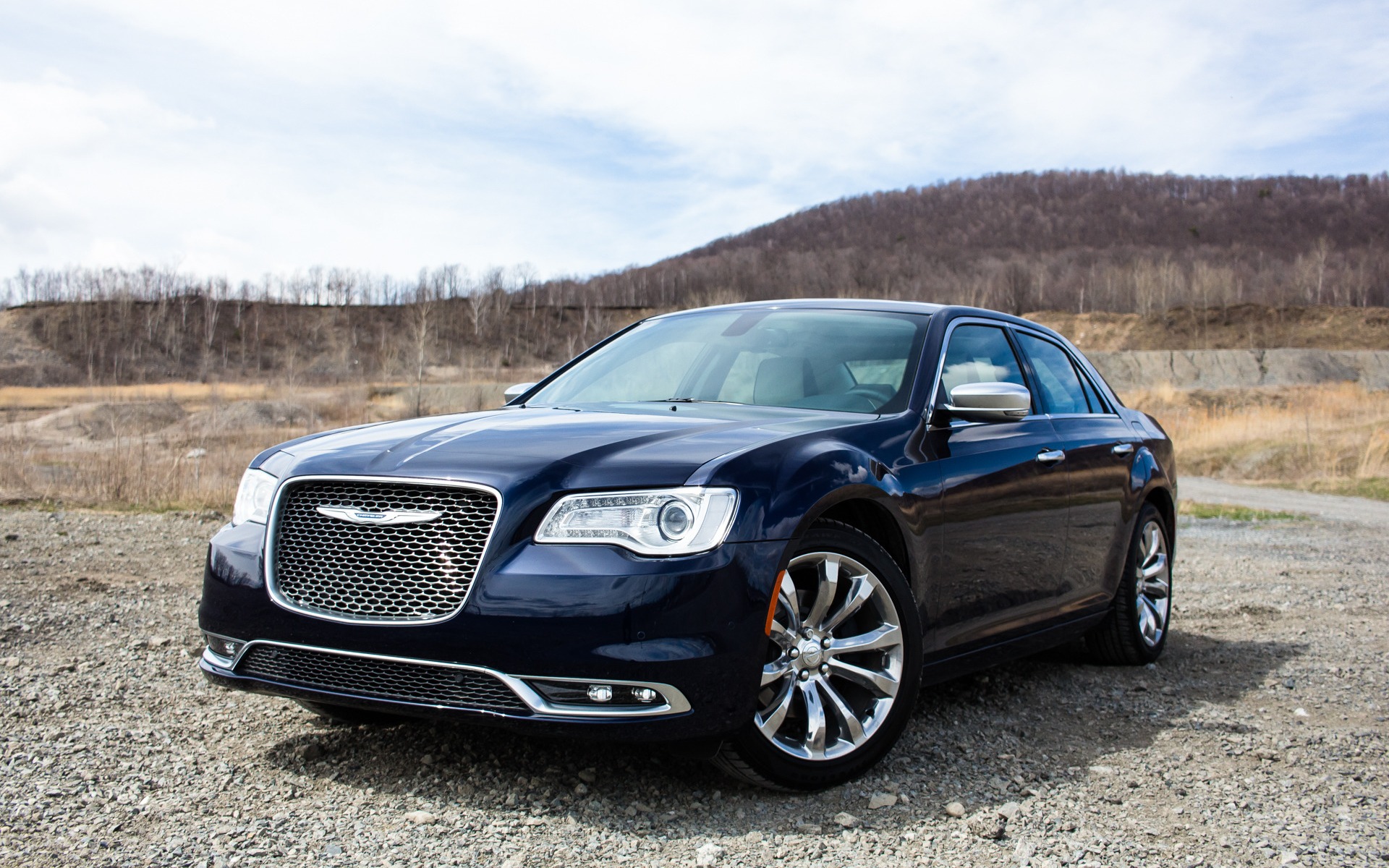
Beyond engine-specific defects, the 2015 Chrysler 300 platform experiences systemic wear across its drivetrain, electrical architecture, and chassis components. The table below breaks down the common mechanical and electrical failures, their early warning signs, and real-world repair costs at independent service centers.
| Component & Failure Point | Early Warning Symptoms | Typical Repair Cost (Parts & Labor) |
|---|---|---|
| HEMI Camshaft & Lifter Failure | Persistent metallic tapping from valve covers; cylinder misfire codes (P0300, P0308). | $3,500, $5,200 |
| Pentastar Oil Filter Housing Leak | Pungent burning oil smell through HVAC; oil pooling on transmission housing. | $850, $1,350 |
| HEMI Exhaust Manifold Stud Shear | Loud exhaust tapping during cold start; sulfur or exhaust fumes inside cabin. | $900, $1,800 |
| Front Suspension Tension Struts | Hollow clunking over low-speed road bumps; steering wheel vibration under braking. | $750, $1,200 |
| Uconnect Screen Delamination | Sticky liquid running down screen; erratic ghost touches; climate controls frozen. | $600, $1,400 |
| TIPM Circuit Degradation | Engine cranks without starting; horn sounds randomly; parasitic battery draw. | $1,100, $1,650 |
The TorqueFlite 8-speed transmission, built under license from ZF (designated as the 845RE behind the V6 and 8HP70 behind the V8), is inherently robust. Problems emerge because Chrysler originally marketed the transmission as having "lifetime fluid." Operating past 100,000 miles without fluid and filter services contaminates the valve body, leading to harsh shifts between first and second gear and delayed reverse engagement. Servicing the unit requires an integrated plastic pan and filter assembly alongside expensive synthetic fluid, costing roughly $450 to $700.

