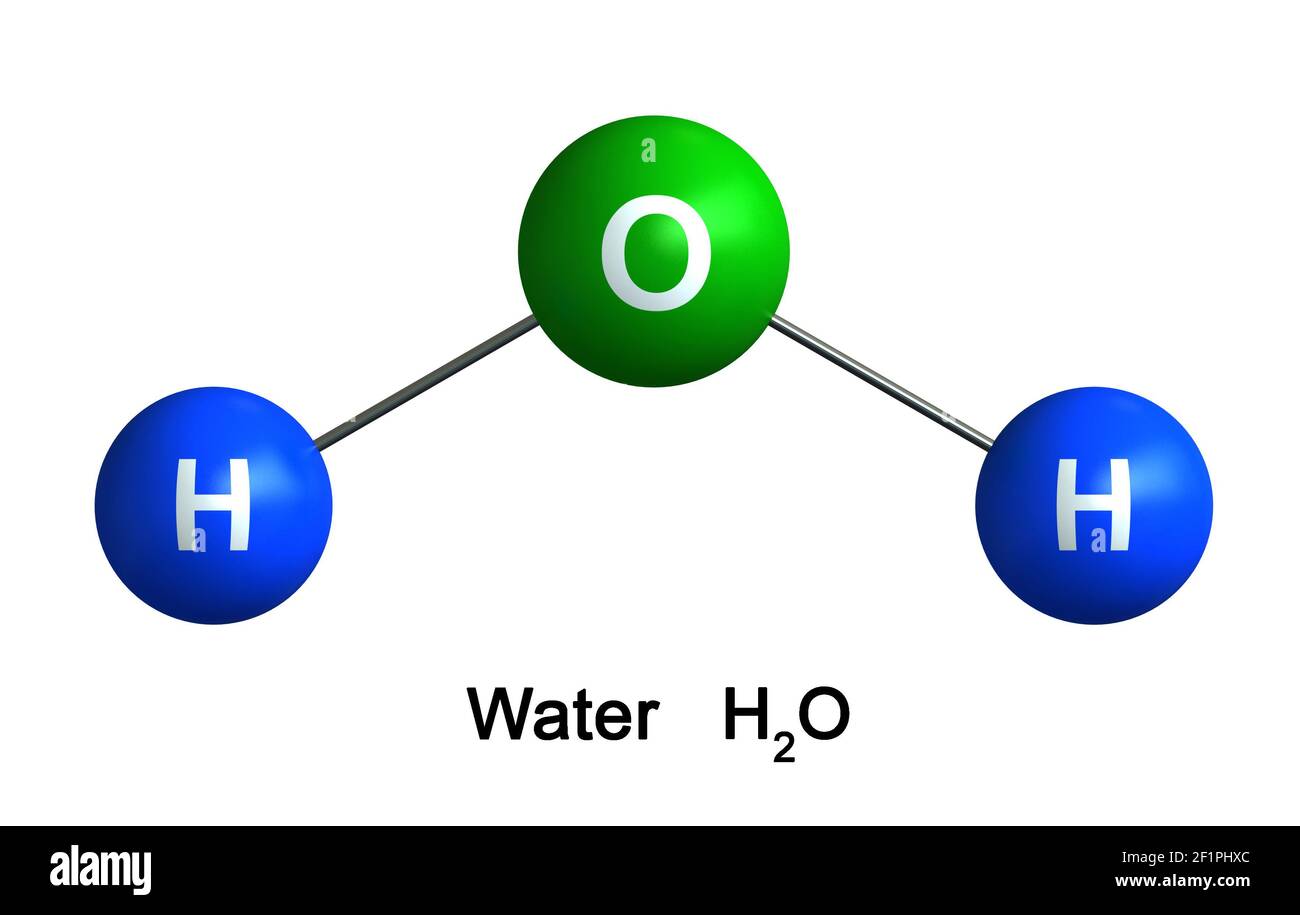
The molecular simplicity of H2O conceals the fragile engineering web required to pipe it into kitchen sinks, medical clinics, and industrial facilities. As shifting climate baselines push the hydrological cycle into increasingly volatile extremes, historical water management models centered on passive catchment reservoirs and centralized high-energy filtration are reaching their limits. The compounding emergencies in Puerto Rico, Southern Europe, and southern Africa demonstrate that municipal vulnerability rarely stems from an absolute absence of rainfall; it stems from a failure to store, purify, and distribute water without relying on brittle electrical grids.
Resolving this systemic imbalance requires a fundamental shift in municipal strategy. Cities are turning toward modular, decentralized purification systems, pairing low-energy biomimetic membranes with local renewable microgrids. Water security in the late 2020s rests not on the sheer scale of centralized infrastructure, but on whether treatment technologies can operate reliably when regional power supplies fail. Protecting Earth's most vital molecule demands an engineering architecture as resilient, responsive, and adaptive as the physics of water itself.

